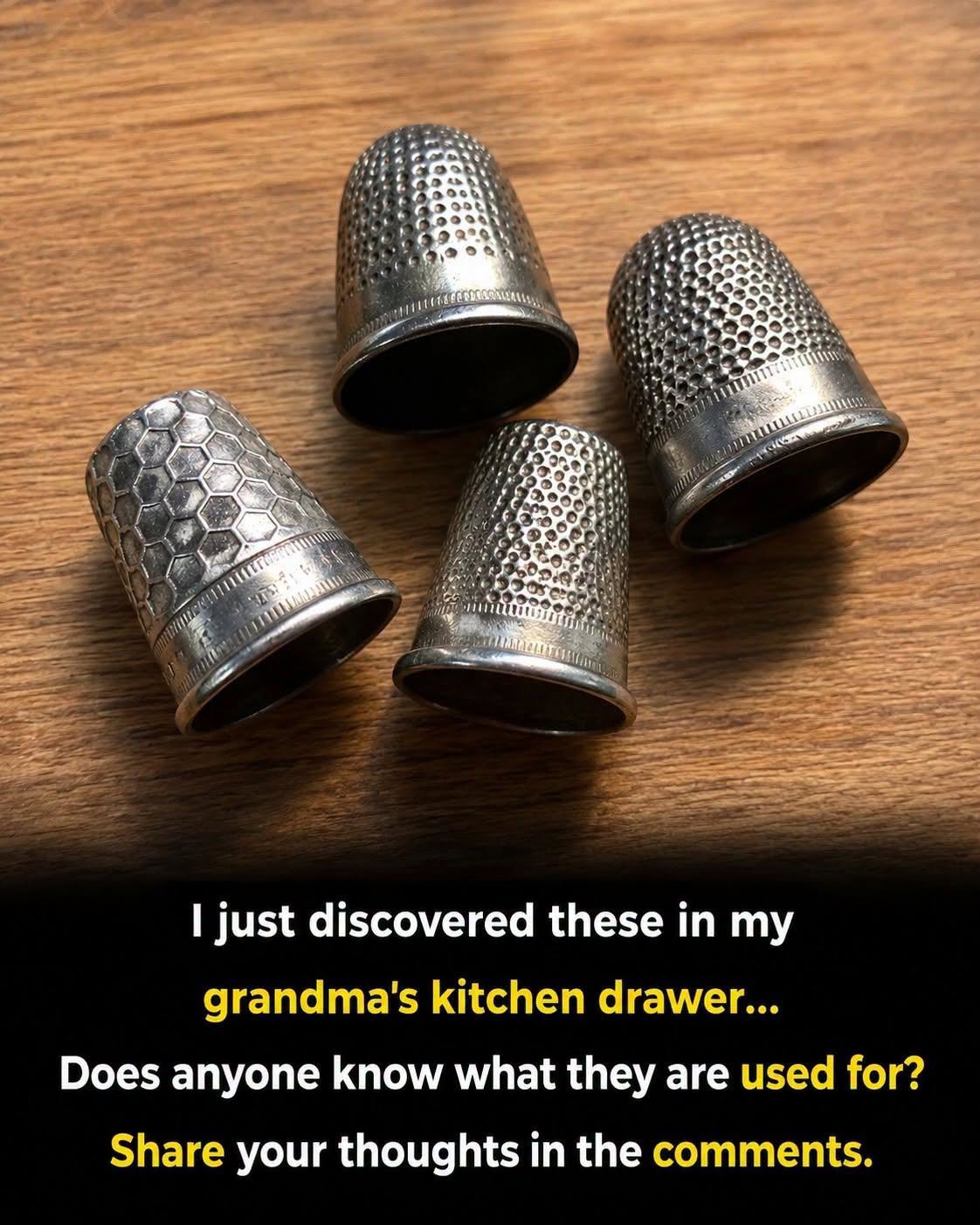
ancient China and other early civilizations. These early versions were usually handmade, often from bronze or bone, and were designed purely for function rather than appearance or decoration.
During the Middle Ages, thimbles became more common in Europe, especially by the 14th century. Early European versions were typically made of brass or bronze and were either cast or hammered into shape. They were small, practical tools used by tailors, embroiderers, and leather workers to protect their fingers during repetitive stitching.
By the 15th and 16th centuries, Nuremberg in Germany became
There’s more to discover. Continue to the next page for the rest of this article.