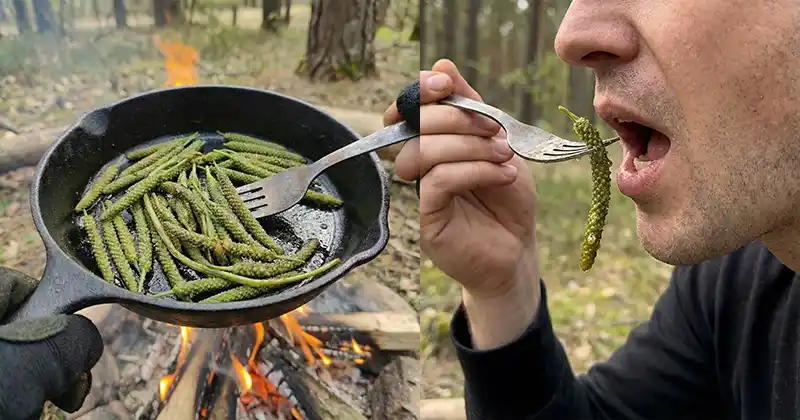
are generally milder than mature leaves, and because they’re eaten as a vegetable-style side, they can be an easy way to add variety and plant compounds to a meal.
2) Plant compounds that explain its traditional “medicinal” reputation
Broadleaf plantain contains several classes of compounds that are widely discussed in herbal medicine traditions and investigated in lab research:
Mucilage (a soothing, gel-like soluble fiber)
Tannins (astringent compounds)
Iridoid glycosides (often highlighted for anti-inflammatory activity)
Flavonoids and phenylethanoid glycosides (antioxidant/anti-inflammatory potential)
These don’t “guarantee” a medical effect when you eat
There’s more to discover. Continue to the next page for the rest of this article.