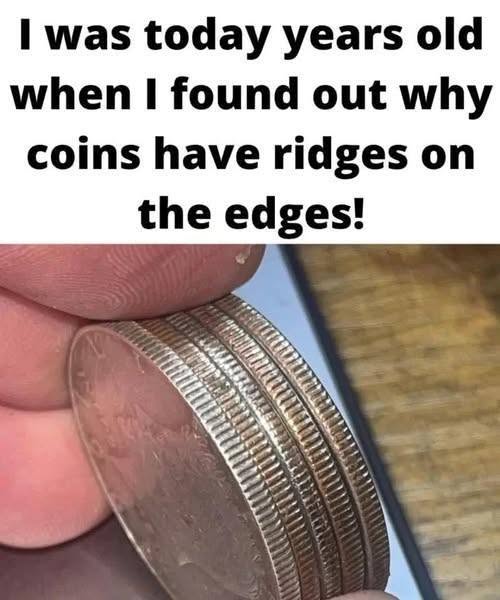
A silver shilling was prized because it held genuine silver; a gold crown was literally worth its weight in gold.
Back then, minting techniques were remarkably crude. Mints produced what historians call “hammered coins.” A blank disk of warmed metal was placed between two engraved steel dies and struck forcefully with a heavy mallet. The resulting coins were rarely uniform. Their borders were soft, uneven, and somewhat oblong, leaving plenty of blank space around the edges.
Shrewd scoundrels soon spotted a lucrative loophole known as coin clipping. Using shears or
There’s more to discover. Continue to the next page for the rest of this article.